
Courses Developed & Taught
A list of courses developed and taught by Prof. Speyers receiving full SACSCOC accreditation.

Business of Design (3hrs)
ART 418 equips advanced design students with the professional, strategic, and entrepreneurial competencies required to thrive in contemporary creative industries, integrating real-world workflows, ethical considerations, and emerging technologies into a curriculum built from firsthand agency experience.

UI / UX Design (3hrs)
ART 448 introduces students to user experience design through research-driven methods, interaction principles, and user interface best practices grounded in the Laws of UX framework. (Figma + Adobe Express)

Advertising Design (3hrs)
ART 318 trains students to design research-driven advertising campaigns by integrating visual communication, branding strategy, ethical considerations, and multi-platform execution within contemporary media environments.

Portfolio Design (4hrs)
ART 450 serves as the capstone experience for design students, guiding them through the refinement, curation, and presentation of a professional portfolio across both print and digital platforms.

Web Design (3hrs)
ART 441 builds on foundational design and digital media coursework by teaching students to plan, code, and deploy fully functional websites using HTML, CSS, CMS platforms, and contemporary web-design practices.

Digital Animation (3hrs)
ART 341 introduces interactive and motion-based design curriculum that integrates animation principles, some UI/UX fundamentals, and the creation of functional prototypes using Adobe Animate and related tools.
Art 202 is a foundational survey course you developed and have taught repeatedly to large cohorts of approximately seventy students, establishing the critical and contextual grounding essential for advanced creative and design practice. The course trains students to analyze visual systems, interpret artworks within their sociopolitical and technological contexts, and communicate insights with clarity—all skills that support research-driven inquiry across creative disciplines. Through lectures, comparative analysis, media exploration, and museum engagement, students build an understanding of how cultural shifts and emerging technologies shape artistic production and perception. The curriculum intentionally cultivates evaluative judgment and visual reasoning that later enable students to engage responsibly with contemporary design tools, including AI-augmented processes, while fostering the adaptable mindset expected in forward-looking design programs that emphasize innovation, interdisciplinary thinking, and the broader societal impact of visual communication.

ART 313 is an upper-division course you developed to help students build a deep historical understanding of graphic design as a driver of cultural, technological, and visual innovation. Through lectures, research, and hands-on style-recreation projects, students trace design’s evolution from ancient writing systems and illuminated manuscripts to Modernism, Postmodernism, and the digital revolution, using Meggs’ History of Graphic Design as a scholarly anchor. The curriculum emphasizes visual analysis, typographic systems, movements in global design, and the socio-technological conditions that give rise to new forms of communication. Students critically examine how designers throughout history have shaped public perception, systems of meaning, and visual culture—while also drawing connections to contemporary tools and workflows, including AI-assisted ideation and stylistic exploration in select assignments. By engaging both theory and practice, students gain the historical literacy, critical thinking skills, and contextual awareness necessary for informed, responsible, and innovative design work in today’s rapidly evolving creative landscape.
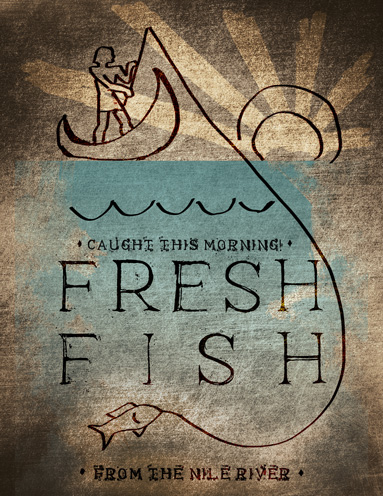
ART 316 is an upper-division studio course developed to teach typography as both a historical discipline and a contemporary design engine, combining technical training with conceptual exploration. Students study the evolution of type, font technologies, typographic anatomy, spacing systems, hierarchy, grid structures, and the integration of text with imagery while completing a series of hands-on projects that build precision and visual literacy. The curriculum emphasizes kerning, leading, tracking, type family relationships, OpenType features, and the nuanced decision-making that shapes clear, intentional communication. Digital workflows—including InDesign-based layout, typographic illustration, and non-print applications—prepare students for modern design environments. Select assignments incorporate AI-assisted ideation or typographic mood exploration to help students understand how emerging tools can influence process and form while reinforcing ethical authorship and typographic rigor. The course culminates in complex multi-page compositions and typographic systems that demonstrate students’ ability to apply type thoughtfully across media.
Your content goes here. Edit or remove this text inline or in the module Content settings. You can also style every aspect of this content in the module Design settings and even apply custom CSS to this text in the module Advanced settings.
Your content goes here. Edit or remove this text inline or in the module Content settings. You can also style every aspect of this content in the module Design settings and even apply custom CSS to this text in the module Advanced settings.
Your content goes here. Edit or remove this text inline or in the module Content settings. You can also style every aspect of this content in the module Design settings and even apply custom CSS to this text in the module Advanced settings.
Art 202 establishes the critical, historical, and analytical foundations essential for future-facing design education, enabling large cohorts of students to interpret visual culture through a structured curriculum that builds visual literacy, cultural awareness, and evaluative judgment.

virtual-courses-illustration-26@2x

Virtual_Courses_Icon-08@2x
thumb-06
thumb-05
thumb-04
virtual-courses-illustration-26@2x
Virtual_Courses_Icon-08@2x
thumb-06
thumb-05
thumb-04
ART 313 surveys the evolution of graphic design from early visual communication systems to the digital present, equipping students with the historical, analytical, and stylistic literacy needed to understand how design both shapes and responds to cultural and technological change.